Travel by Season

Vancouver Island is home to some of the mildest weather in Canada, characterized by a temperate Pacific Ocean climate. Because the island is large and mountainous, weather varies significantly between the rugged, wet West Coast (Tofino) and the rain-shadowed, sunnier East Coast (Victoria/Nanaimo).

SPRING

SPRING

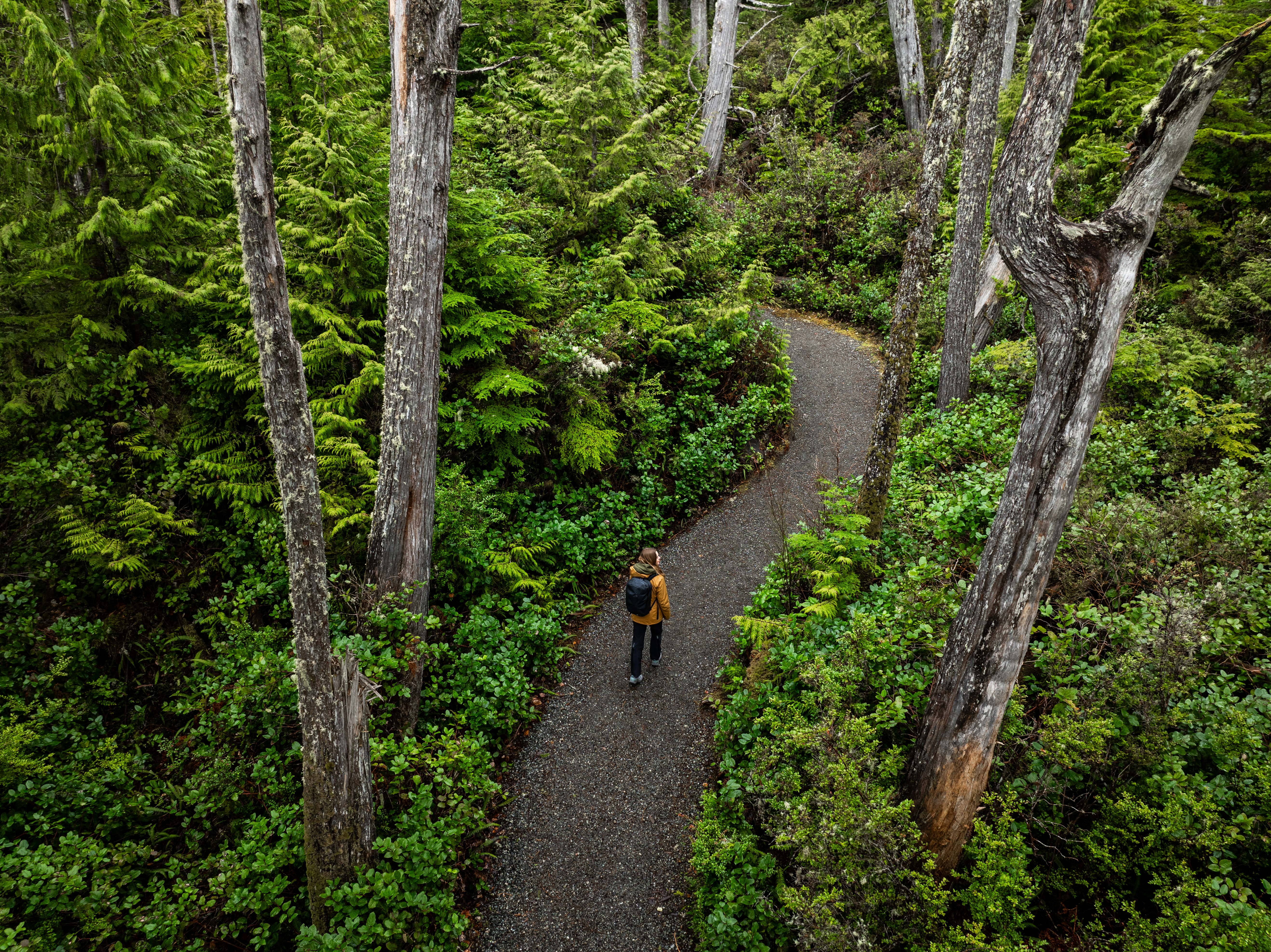
Spring on Vancouver Island is a vibrant, lush, and mild season characterized by blooming cherry blossoms, daffodils, and the waking of the temperate rainforest. Days grow longer, featuring a mix of sun and rain showers with temperatures ranging from 10°C to 17°C, making it perfect for whale watching, hiking, and exploring coastal communities with few crowds. March and April are peak times for viewing migrating gray whales, with the annual Pacific Herring spawn attracting numerous seals, orcas, and sea lions to the coast.
PLAN YOUR SPRING TRAVEL

SUMMER

SUMMER

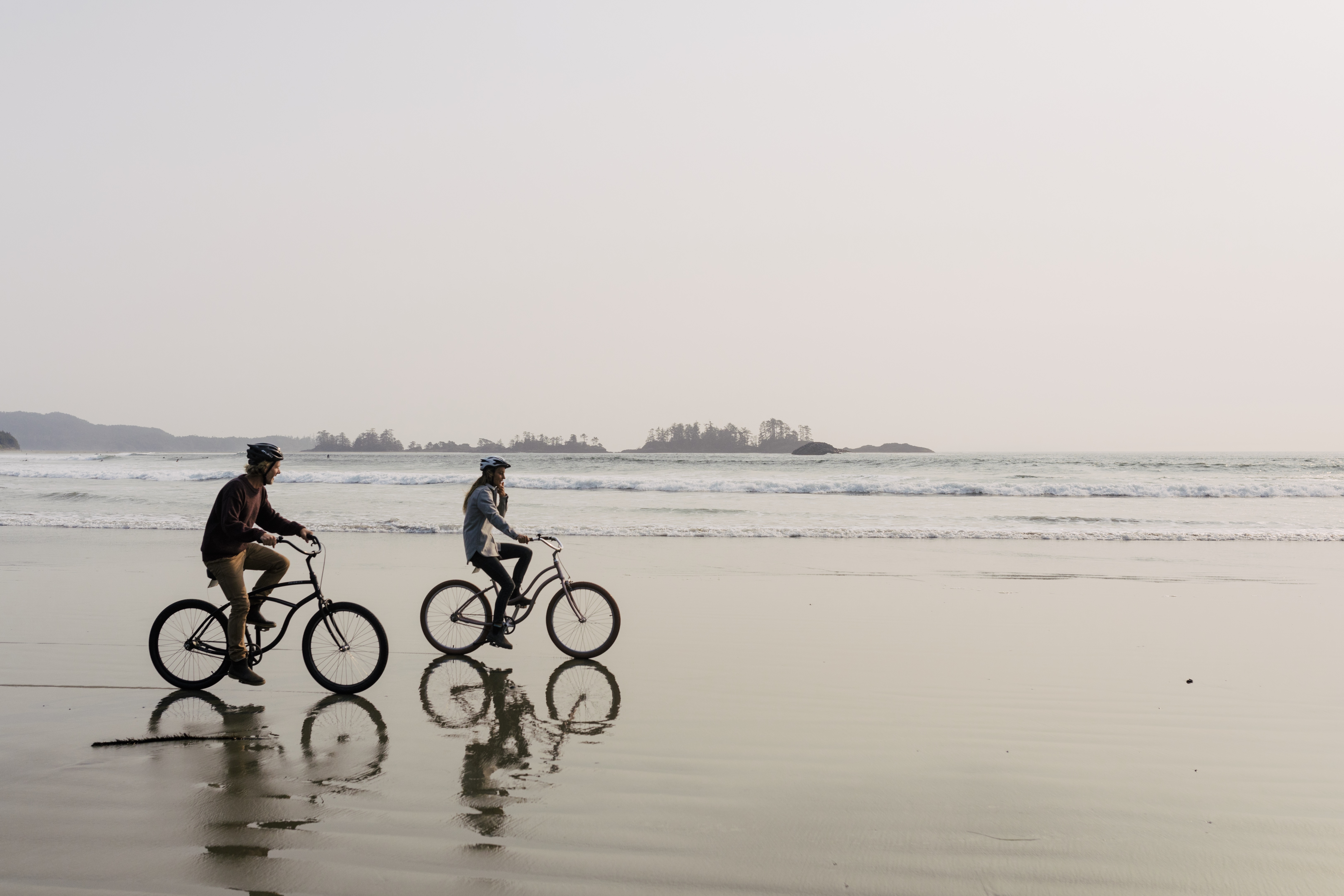
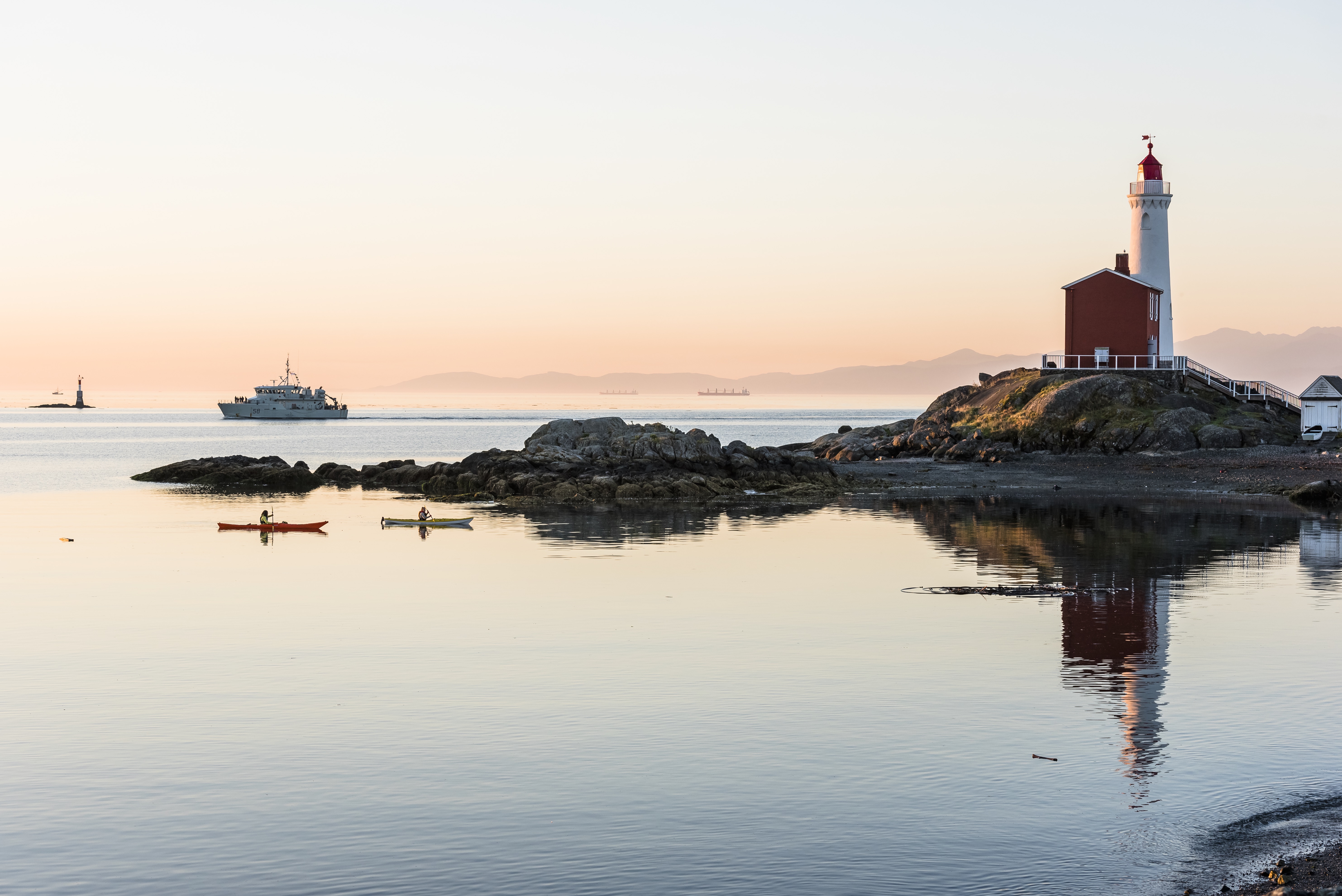
Summer on Vancouver Island is characterized by warm, dry, and sunny weather, featuring long, bright days and cool, comfortable evenings. Temperatures typically range from 20°C to 30°C on the east coast, while the west coast remains cooler. It is prime time for whale watching, hiking, and enjoying lakes or beaches. Popular activities include kayaking, hiking, SUP paddleboarding, fishing, and visiting various coastal areas like the Gulf Islands. 

FALL

FALL

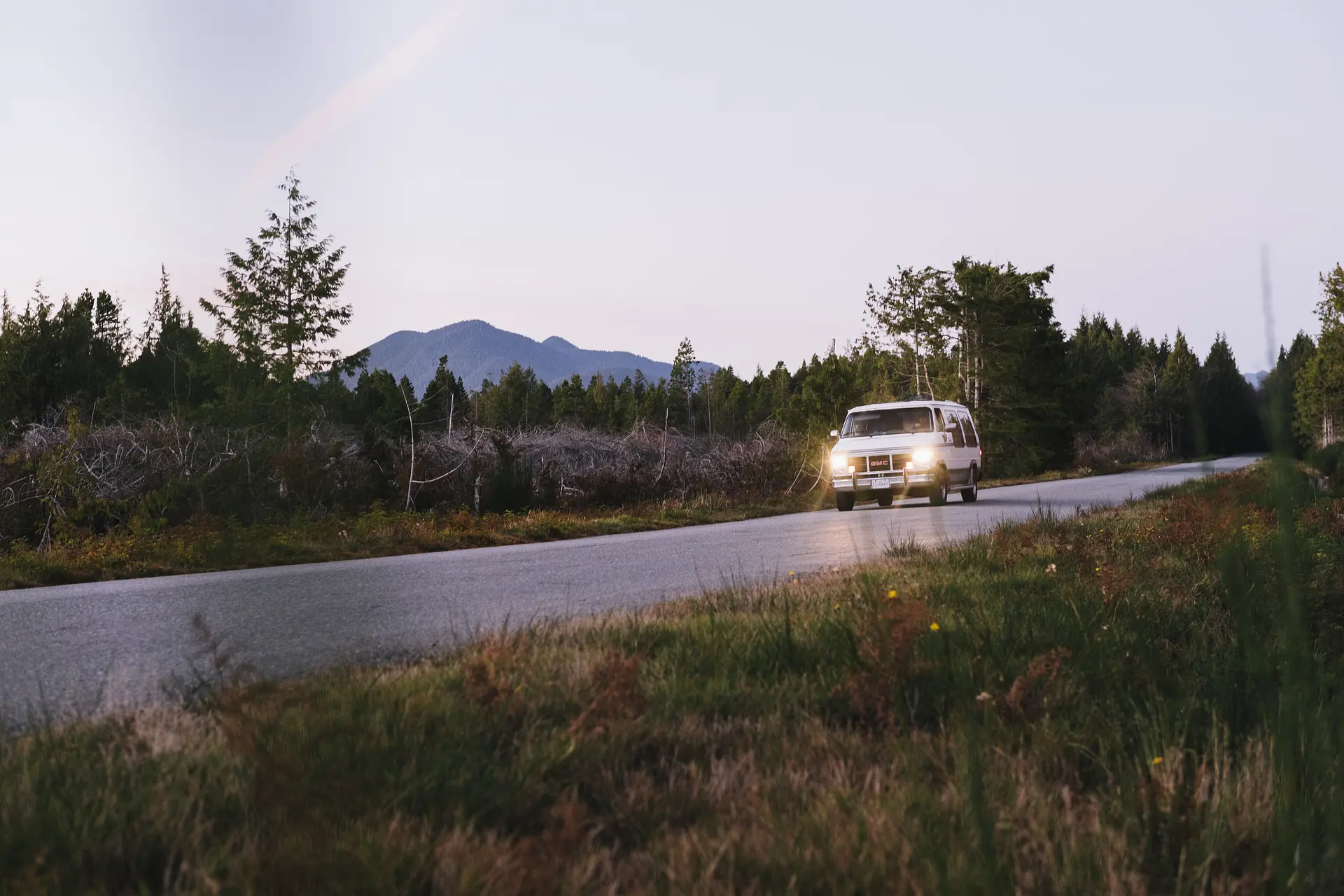
Fall on Vancouver Island is a stunning transition characterized by mild, sunny days mixed with increasing rain, featuring vibrant foliage against evergreen forests. It is a peak time for responsible wildlife viewing (salmon runs, bears), cozying up in cabins, golfing, and exploring a myriad of valley and mountain trails. The fall harvest of many fruits and vegetables is in full swing, so be sure to visit the various farms and markets Vancouver Island has to offer. 
WINTER

WINTER

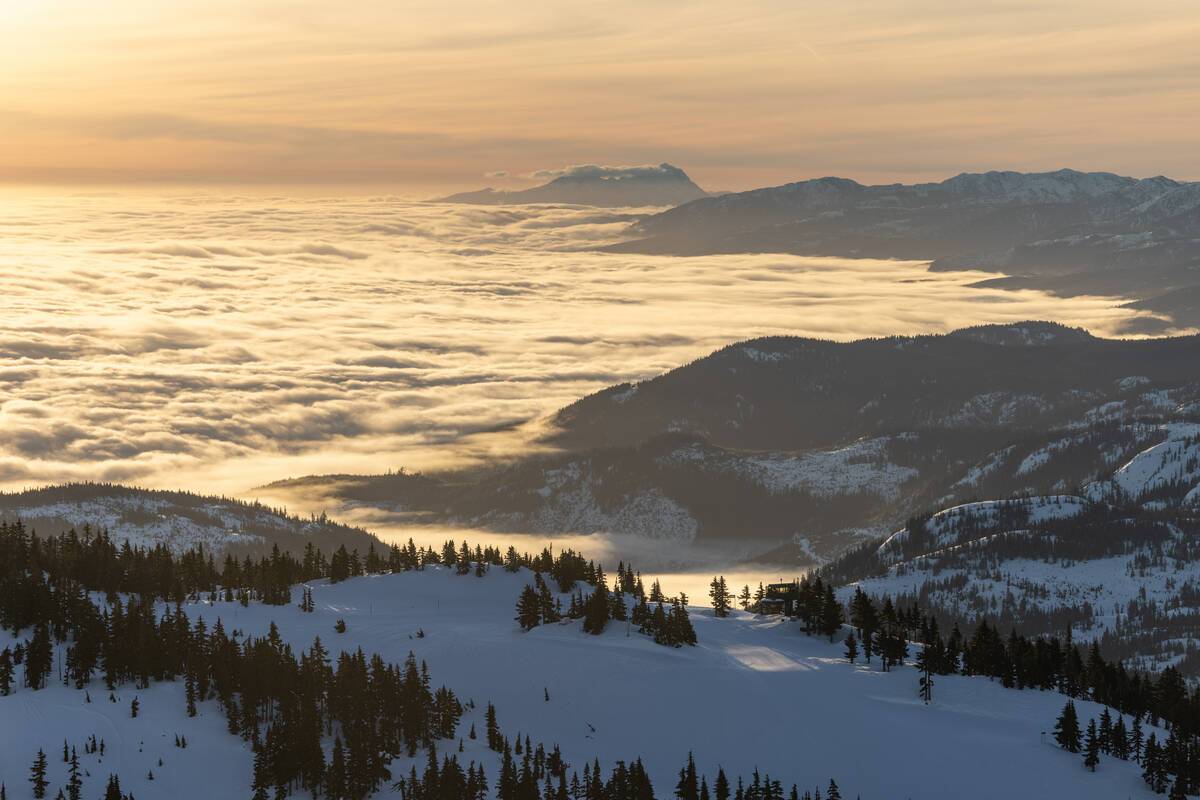
Winter on Vancouver Island is defined by a mild, rainy, and green climate, with average coastal temperatures ranging between 0℃ to 12℃. It is the wettest season, featuring lush landscapes, fewer crowds, and occasional, short-lived snow at lower elevations. While coastal areas see little snow, mountainous regions receive heavy snow for winter sports. Activities include storm watching on the west coast, hiking in rain-soaked forests, and skiing/snowboarding.

More Travel Resources

Related Blogs