4VI gratefully acknowledges the Kwakwaka’wakw, Nuu-chah-nulth, and Coast Salish Peoples that have been caring for the lands and waters we operate on since time immemorial.
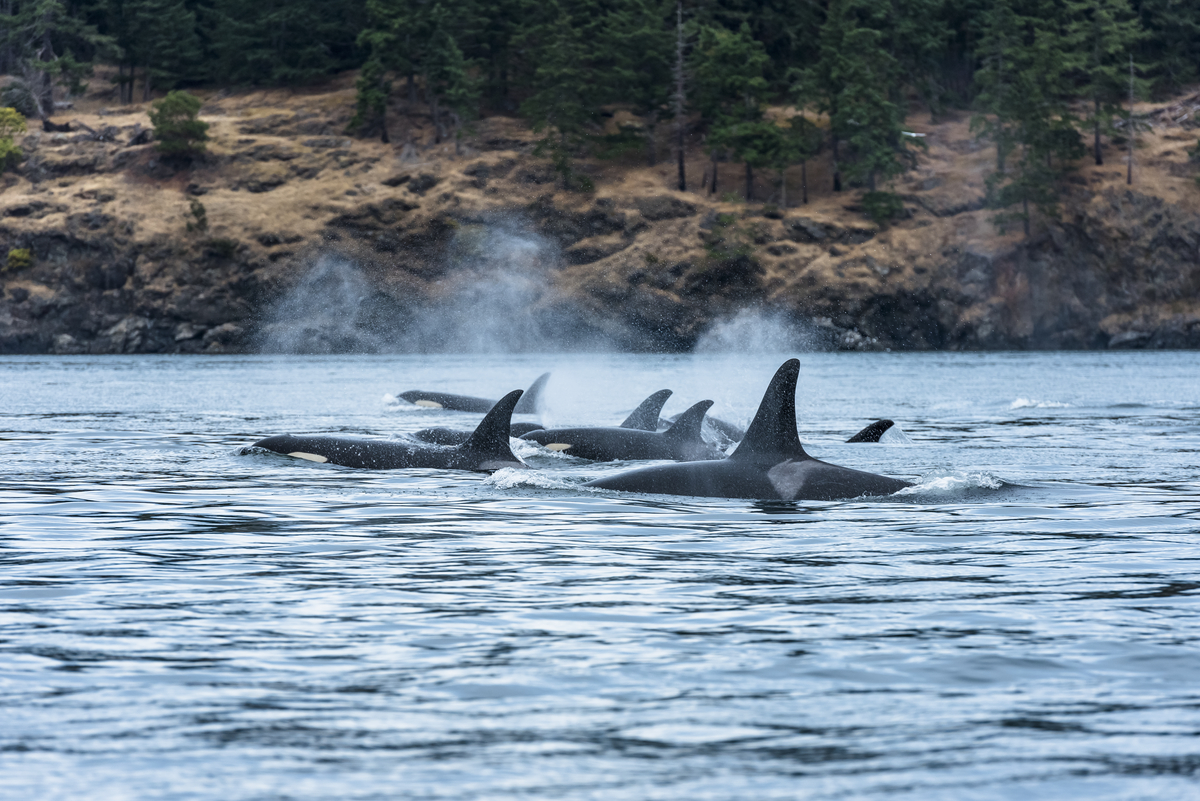
All photos on this page were taken in accordance with legal avoidance distances using telephoto lenses.
Whale watching is more than just a thrilling adventure; it’s a profound encounter with some of Earth’s most magnificent creatures. Yet, amidst this awe-inspiring experience lies a critical responsibility: responsible viewing and sharing of experiences. Benefit from the knowledge and experience of responsible whale watching operators, dedicated to providing you the experience of a lifetime, while respecting the laws and best practices for safe, legal, and conservation-based wildlife viewing.
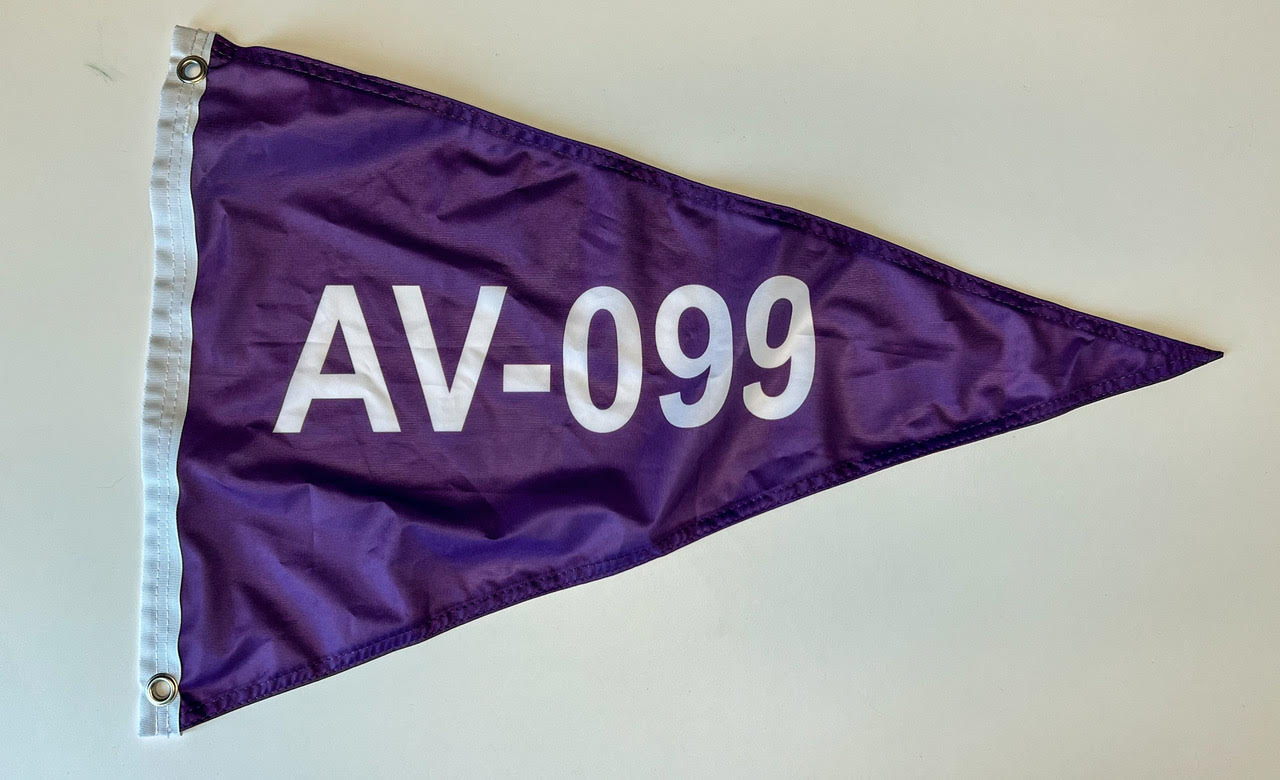
In the waters surrounding Vancouver Island, stewardship activities like Sentinel Actions and the Whale Warning Flag are used to raise awareness about responsible marine mammal viewing and reinforce why the Vancouver Island Region is one of the top places to experience whale watching in the world.
Alerting Ferries and other vessels that whales are in the area
Reporting entanglements: Promptly notifying authorities of marine mammals in distress.
Removing hazards and debris: Actively contributing to a cleaner, safer ocean environment.
Educating other boaters: Sharing knowledge of current regulations and restrictions to promote responsible practices across the marine community.
At the heart of Sentinel Actions is the belief that everyone shares a responsibility to protect what we love and that every respectful choice on the water counts. By highlighting the dedication and positive contributions tour operators can make, it reinforces the message that experiencing the beauty of British Columbia’s marine life should be done in a way that preserves its wonder and respects its wild inhabitants. The individual Sentinel Actions undertaken by operators, residents, and visitors add up to significant positive impacts year after year.
The development and adoption of a Whale Warning Flag has been an effective way to alert and inform fellow boaters that whales are in the area, prompting other vessels to slow down and adjust behaviour out of respect for marine life. The Whale Warning Flag promotes a consistent unified message throughout the Salish Sea for proper boating practices around all whales.
Showcasing these proactive efforts of the ongoing For the Whales project, 4TVI aims to encourage greater industry participation in these initiatives, and educate both visitors and residents on the stewardship role tour operators can play in marine conservation. These positive behaviours not only protect wildlife and ensure meaningful viewing opportunities for future generations, but also inspire a broader community of ocean stewards.
“The highest measure of an experience is if it happens as if you weren’t there.”Jackie Hildering, The Marine Detective, Co-Founder and Education & Communications Director of MERS, Biologist, Humpback Researcher.
CHOOSING A WHALE WATCHING TOUR OPERATOR
There are many responsible wildlife watching operators on Vancouver Island. When booking with an operator, here are a few tips:
Does the crew have the training, experience and ethics to provide safe and legal vesseloperation around marine mammals and to provide accurate, engaging information about marine species and conservation? See the “About” and “Crew” sections of operators’ websites.
What vessel is used? Consider passenger comfort and safety, as well as how the vessel minimizes ocean noise and fossil fuel use. How far are you likely to travel in the operator’s vessel to see marine wildlife?
Does the operator’s website and social media reveal dedication to safe and legal marine wildlife viewing? There should be no imagery suggesting encounters that are closer than the legal distances.
Does the company acknowledge whose Territories they operate in and benefit from First Nations’ knowledge?
Is the operator a member of a professional body dedicated to ethical wildlife viewing?
Does the company make their tours count for marine conservation through actions such as funding support and/or providing whale identification photos to researchers?
BEST PRACTICES FOR SOCIAL MEDIA SHARING
Don’t share imagery or text of illegal marine mammal viewing nor of surprise close encounters. Not only does sharing such content work against the laws and best practices to reduce threats to marine mammals, it feeds demand/expectations for close encounters.
Do not share text that suggests it is okay to position a vessel in order to have a close encounter e.g. “vessel was shut down when animals approached”. Responsible whale watching respects and promotes understanding of the minimum avoidance distances.
Do include details that help readers and viewers know the footage was taken legally and respectfully e.g. if the photo or video was taken when with a professional tour operator, the lens focal length, if the photo has been cropped, and/ or if the photo or video was taken from land.
Do include information relevant to safe, legal and Leave No Trace wildlife viewing
If in doubt about whether or not a potential post is ethical, err on the side of the responsibility and do not post that content.